What Is Too High Mileage for a Motorcycle
No set number marks a motorcycle as too high mileage. Insurers look at the whole picture, not just the odometer.
There isn't a mileage number that triggers higher rates on its own
Car insurers sometimes use mileage bands to estimate risk, but motorcycle insurance doesn't work the same way. Most motorcycle insurers care more about how the bike is used, how it's stored, and your riding record than about the number on the odometer.
A high reading can matter indirectly. It can affect what the bike is worth if you're insuring it for actual cash value, and it can raise questions about wear on things like brakes and tires that an insurer might ask about during a claim. But it's not a cutoff that makes a policy harder to get.
How you use the bike matters more than the odometer
An insurer wants to know if the motorcycle is your daily ride or something you take out on weekends and store the rest of the time. A bike with high mileage from years of commuting reads differently than the same mileage racked up on a bike that sat in a garage half the year. Commuting use usually means more time on the road and more exposure to the kind of riding that leads to claims, regardless of the total mileage.
If you're switching from commuting to occasional riding, or the other way around, tell your insurer. The usage category on your policy is often a bigger factor in your premium than how many miles are on the clock.
Storage matters too. A high mileage bike kept in a garage with a cover is a different risk than one parked on the street year round. If your situation has changed, mention it when you renew.

What the mileage says about the bike's value
If you're insuring the motorcycle for its actual cash value rather than an agreed value, mileage is one of the things that affects what the insurer would pay out if it were totaled or stolen. A bike with a lot of miles on it is typically worth less than a low mileage version of the same model, and that lower value can mean a lower claim payout, not a higher premium.
If you want the payout to reflect what you've put into the bike rather than its current market value, ask your insurer about agreed value coverage. That sets the payout amount ahead of time instead of leaving it to be assessed after a loss.
A mechanic or an appraiser can give you a realistic sense of what your bike is worth given its mileage and condition. That number is useful to have before you talk to an insurer about coverage levels.
Questions people ask about this
Does high mileage affect motorcycle insurance renewal?
It can affect the value used to calculate a payout, but it doesn't automatically raise your renewal premium. Ask your insurer directly if mileage is something they reassess at renewal, since this varies by insurer.
Is a high mileage motorcycle harder to insure?
No, most motorcycles remain insurable regardless of mileage. What can make a bike harder to insure is its age, its condition, or whether parts are hard to source, not the odometer reading on its own.
Should I get an inspection before insuring a high mileage motorcycle?
An inspection isn't usually required, but it can be worth doing if you want to insure the bike for an agreed value. A mechanic's assessment gives you documentation to support the value you're claiming.
Does mileage affect what type of motorcycle insurance I need?
Mileage itself doesn't determine the type of coverage you need, but it can factor into whether actual cash value or agreed value coverage makes more sense for your bike. Ask your insurer to explain how each would work out for your situation.
Will my insurer ask about my motorcycle's mileage?
Many insurers ask for an odometer reading when you apply or renew, mainly to help establish the bike's value. Check with your insurer about what they ask for and how often they want it updated.
If you're not sure how your bike's mileage affects your coverage, it helps to see what different insurers would offer.
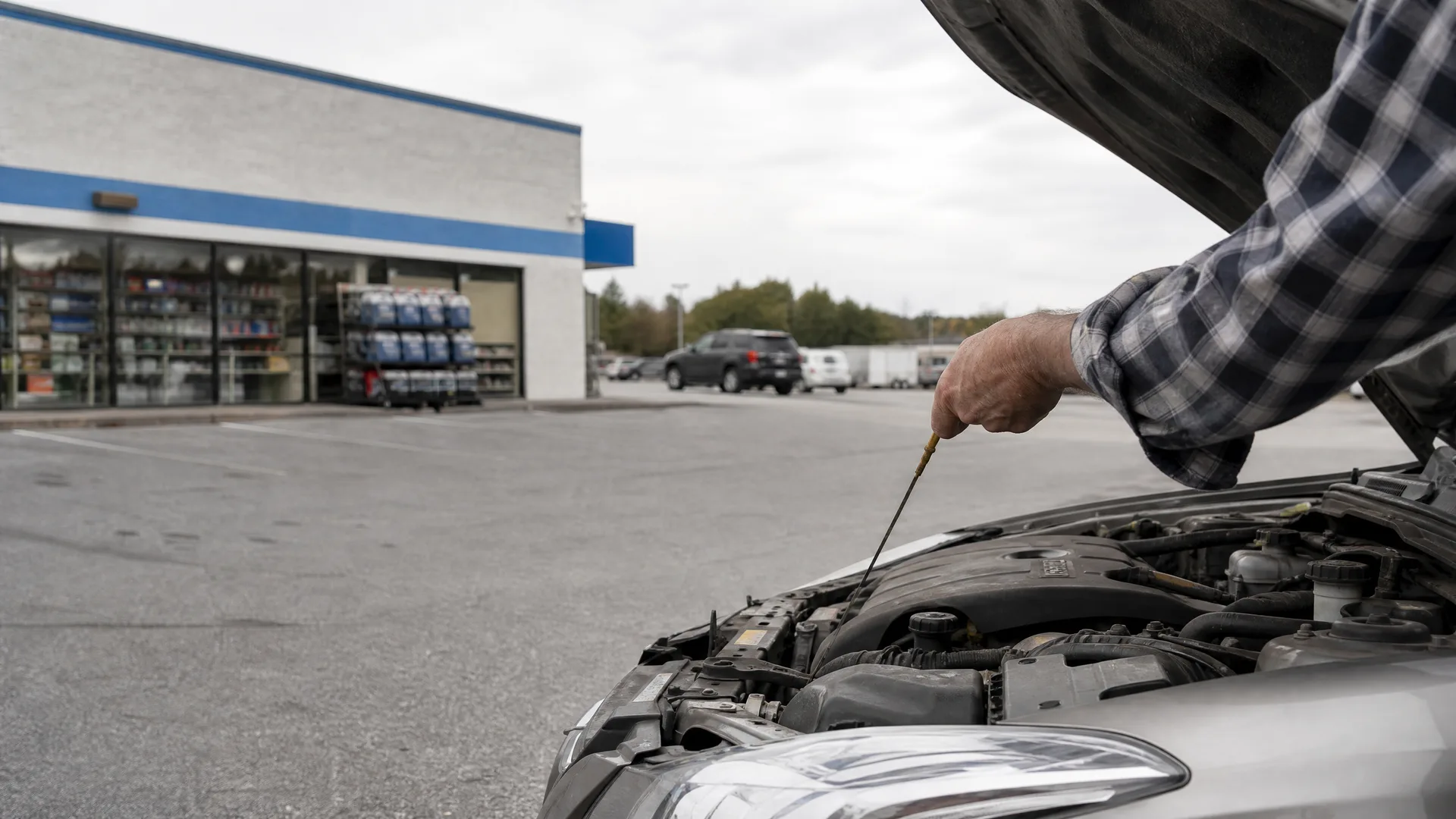
Get the current odometer reading and a sense of the bike's condition before you call anyone. If you think the bike is worth more than a standard payout would reflect, look into agreed value coverage and ask what documentation the insurer wants. If your riding habits have changed, whether you're commuting more or less than before, mention that too, since it often matters more than the mileage itself. Compare how a few insurers handle agreed value versus actual cash value for a bike like yours before you renew.