Motorcycle Insurance for Seniors in Alaska
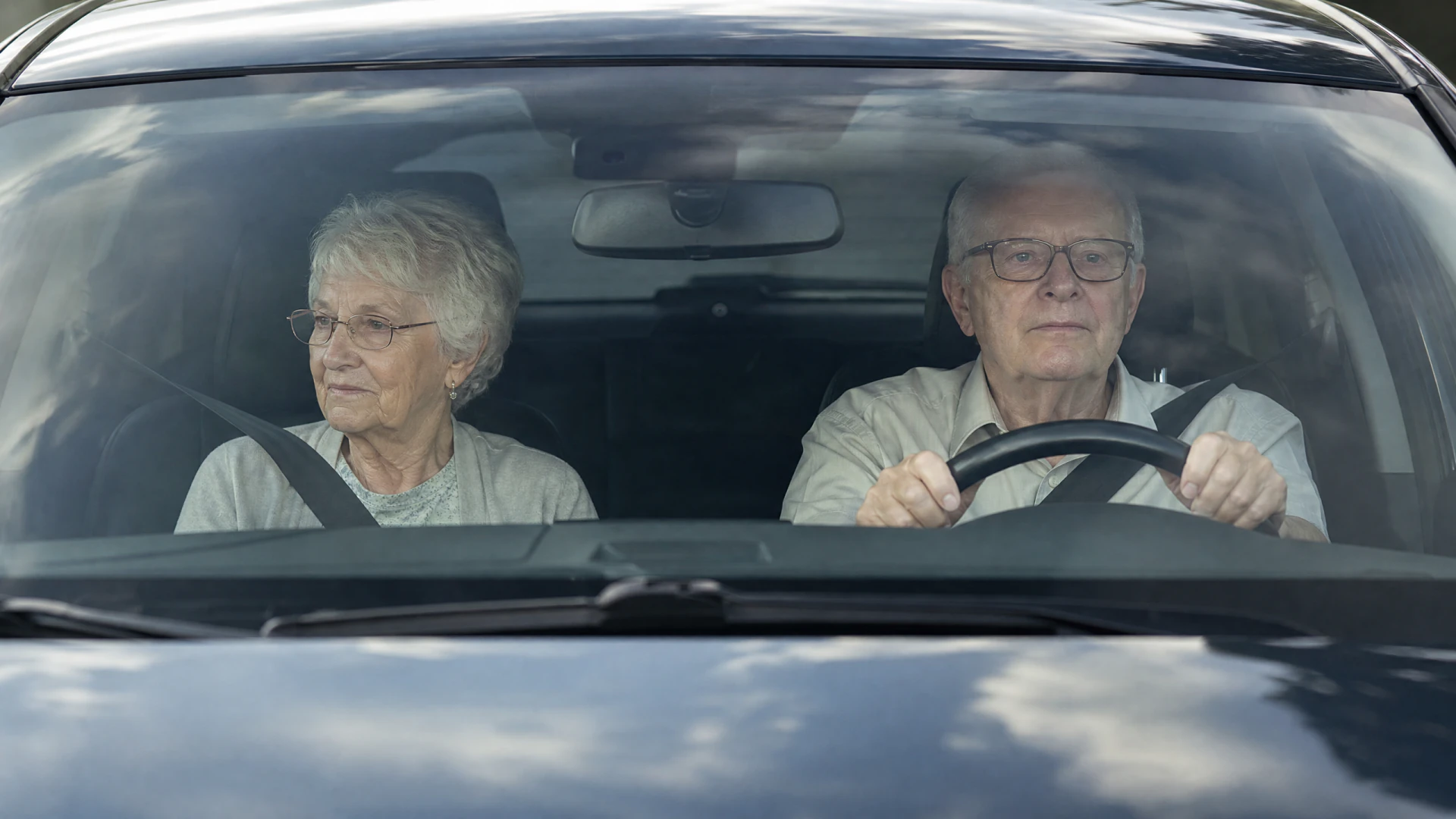
Age by itself doesn't raise your motorcycle insurance rate in Alaska, but your riding history and how you use the bike do.
Senior riders can get motorcycle insurance in Alaska, and age alone won't block coverage
Insurers in Alaska will write a motorcycle policy for a senior rider the same way they would for any licensed rider. There's no age where coverage simply stops being offered. What changes the price and the terms is the rider's record, the bike, and how the bike gets used, not a birthday.
Some insurers even look favorably on older riders who have years of riding experience and a clean record. Others ask more questions about health or vision if a renewal or a new application raises something specific. Because this varies by company, it helps to ask directly how a given insurer treats a long-time rider applying or renewing later in life.

Your riding record still carries the most weight
A clean record built over years of riding works in a senior rider's favor. Insurers price risk based on what's actually happened on the road, and a long history without claims or violations tends to matter more than the rider's current age.
If there's been a recent claim, a lapse in coverage, or a gap in riding, that's what an insurer will ask about first. A gap matters because some companies read it as reduced recent experience, even if the rider has decades of history overall.
If Alaska's state licensing agency requires anything extra at renewal time, like a vision check, that's worth confirming directly with the Division of Motor Vehicles. A vision requirement affects the license, not the insurance policy itself, but a lapsed license can affect whether a policy stays valid.
Keeping the motorcycle endorsement current and renewing it on schedule is the simplest thing a rider can do to avoid any question about eligibility.
How the bike is used changes the quote more than age does
A motorcycle ridden seasonally, stored for part of the year, and used for recreation rather than commuting usually costs less to insure than one ridden year-round. Many senior riders fit this pattern, which can work in their favor.
The bike itself matters too. A smaller, older, or lower-powered motorcycle generally costs less to insure than a high-performance one, regardless of who's riding it.
Storage matters as well. A motorcycle kept in a garage over an Alaska winter, rather than left outside, can affect how an insurer views the risk of damage or theft.
It's worth asking each insurer directly whether mileage, storage, and seasonal use affect their pricing, since not every company weighs these the same way.
Questions people ask about this
Do seniors get a discount on motorcycle insurance in Alaska?
Some insurers offer discounts tied to experience or completing a rider safety course, not to age by itself. Ask each insurer directly which discounts they offer and what qualifies for them.
Does a motorcycle safety course lower insurance costs for older riders?
It can with some insurers, but the rider usually has to send the completion certificate to the insurer directly. Taking the course alone doesn't automatically change the policy.
Can an insurer drop a senior rider's motorcycle policy for health reasons?
An insurer can decline to renew a policy for various reasons, but this isn't specific to age or health status alone. Ask the insurer what their renewal criteria are so there are no surprises.
Does Alaska require vision or medical exams to renew a motorcycle license at a certain age?
Requirements for license renewal are set by the state, not by insurers. Check directly with Alaska's Division of Motor Vehicles for what applies at renewal.
Is it cheaper to insure a motorcycle only for part of the year in Alaska?
Some insurers offer seasonal or lay-up coverage for months the bike isn't ridden, which can lower the cost compared to year-round coverage. Ask whether a given insurer offers this and how it affects the policy if the bike is stolen or damaged while laid up.
See how different insurers price a motorcycle policy for a rider with your experience and your bike.
Pull together your current riding record, your motorcycle's year and model, and how you plan to store and use it this season. Have your endorsement renewal date on hand too, since a lapsed endorsement can complicate a claim. When you compare quotes, ask each insurer directly how they weigh age, experience, and seasonal use, since this differs by company. If a vision or medical question comes up, confirm the actual requirement with Alaska's Division of Motor Vehicles rather than assuming what applies. Keep a copy of any safety course certificate on hand in case an insurer asks for it.