Is a Touring Bike Expensive to Insure
A touring bike tends to cost less to insure than a sport bike, but your record and how you use it still decide the final number.
Touring bikes are usually cheaper to insure than sport bikes, not cheaper than everything on the road
Insurers tend to treat touring bikes as lower risk than sport bikes. They're heavier, built for long steady rides rather than speed, and the riders who buy them tend to have more experience and fewer claims. That reputation works in your favor when a company prices your policy.
But touring bikes aren't cheap machines. They carry a lot of equipment, a bigger engine than most commuters, and a higher price tag than a standard bike. Replacing one after a theft or a total loss costs more, and that shows up in what you pay. Whether the lower risk or the higher value wins out depends on the specific bike and the rest of your situation.
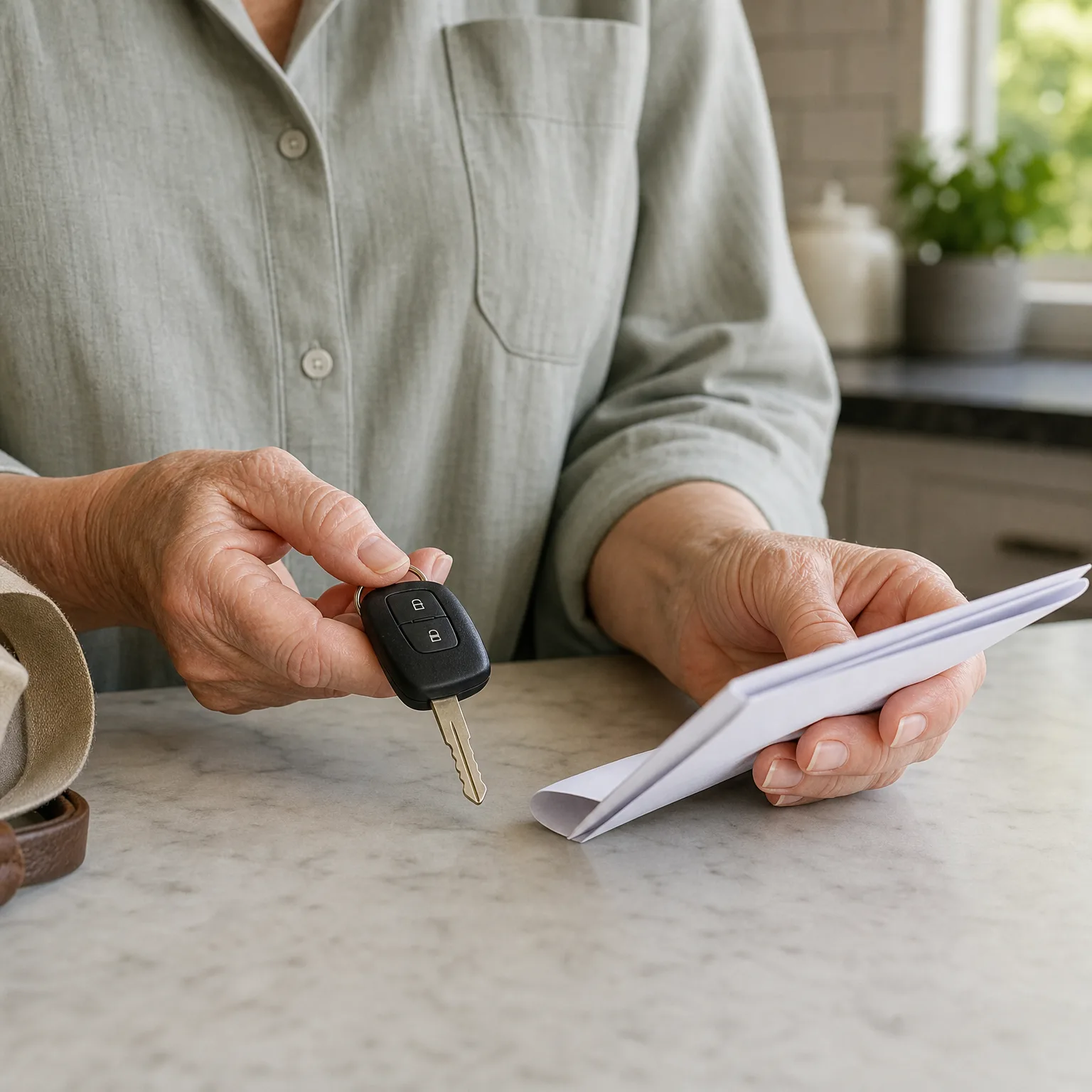
Your riding record matters more than the bike itself
A clean riding history is the single biggest thing working in your favor at this point. Decades of riding without at-fault claims tells an insurer you're a low risk no matter what you're sitting on, and that record often outweighs whatever bump in price comes from the bike's value.
If you've had a claim or a ticket in the past few years, ask your insurer directly how much weight it still carries. Some companies look back further than others, and some let an otherwise long clean history offset a single recent incident.
If you're switching from a different kind of bike to a touring model, your insurer may also want to know how much experience you have on something this size and weight. Mentioning years of riding, not just years of licensing, can help.
If you've taken a motorcycle safety course, ask your insurer whether they still give credit for it and what they need from you to apply it. A certificate sitting in a drawer does nothing until you send it in.
Where you live and how you store the bike changes the number
Insurance for any vehicle is priced by state, and motorcycle coverage is no exception. Minimum coverage requirements, theft rates, and how often claims get filed all vary by state, so what a touring bike costs to insure where you live may not match what a friend pays elsewhere.
How you store and use the bike matters too. A bike kept in a locked garage usually costs less to insure than one parked on the street, because theft and vandalism risk drops. If you ride seasonally and store it off the road part of the year, ask your insurer whether they offer a lower rate for that period.
Mileage also plays a role. A touring bike used for long cross-country trips racks up more road time than one ridden occasionally on weekends, and some insurers factor expected annual mileage into the price. If you're not putting serious miles on it, say so when you get a quote.
Finally, ask what the insurer uses to value the bike if it's stolen or totaled. Touring bikes often carry custom luggage, upgraded seats, or added electronics, and not every policy covers that extra equipment unless you ask for it specifically.
Questions people ask about this
Does a motorcycle safety course lower the cost of insuring a touring bike?
It can, but only if your insurer offers a discount for it and you send them proof. Call your insurer before you take a course to ask whether they recognize it and what certificate or completion record they need. Not every company offers this credit, and not every course qualifies.
Is a touring bike safer to ride than a sport bike at an older age?
Touring bikes are generally built for comfort and stability rather than speed, which is part of why insurers view them as lower risk. Riding position, weight distribution, and handling all play into that, but your own comfort and strength on the bike matter just as much as its design.
Should I insure a touring bike year round or just during riding season?
That depends on your state and your insurer's options. Some insurers let you reduce or pause coverage during months you don't ride, which can lower your total cost. Ask directly whether a seasonal or laid-up policy is available where you live.
Does adding a passenger change what it costs to insure a touring bike?
It can, since touring bikes are often used for two-up riding and some policies price that in. Ask your insurer whether passenger coverage is included automatically or whether it's a separate add-on, and what it covers if a passenger is injured.
Will my insurer charge more for a touring bike because of my age?
Age alone isn't the deciding factor. Insurers look at your full riding history, including how long you've held a license and whether you've had recent claims. A long clean record usually matters more than the number on your birth certificate.
See what a few insurers would actually charge you for this bike before you commit to one.
Pull your current policy and your riding record together before you start. Call your insurer and ask directly how they price touring bikes, whether they offer a seasonal storage discount, and what proof they need for any safety course you've completed. Ask specifically how they'd value your bike's added equipment if it were stolen or totaled. Then get a few quotes from other insurers using the same details so you're comparing real numbers, not guesses. If one quote comes back much higher or lower than the rest, ask why before you decide.