How to Stay Comfortable on Long Rides
Comfort on a long drive comes down to how you set up the seat, how often you stop, and whether you plan the trip around your own body instead of a schedule.
Build the trip around breaks, not around speed
The most reliable way to stay comfortable is to stop more often than you think you need to. Get out of the car, walk a little, stretch your legs and your back, then get back in. Fifteen minutes every hour or two does more for comfort than any cushion or seat adjustment.
This matters more as you get older because joints stiffen with less movement than they used to, and circulation slows when you sit still. A break schedule that felt unnecessary at forty can be the difference between arriving fine and arriving in pain.

Your seat position and posture
Most discomfort on a long drive starts with the seat, not the road. If your knees sit higher than your hips, or your lower back has no support, an hour in that position will ache by the second hour.
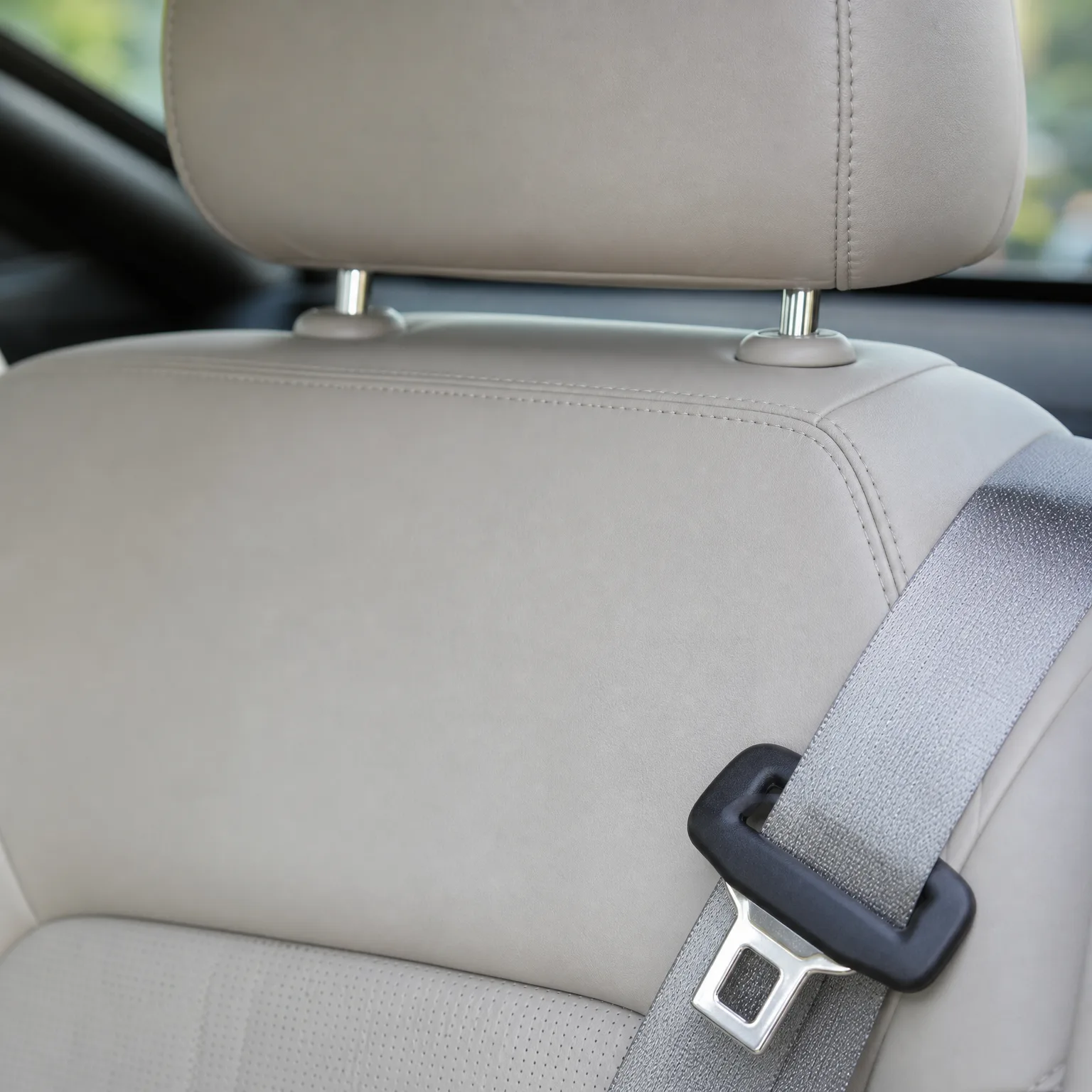
Adjust the seat so your knees are level with or slightly lower than your hips, and use a small cushion or rolled towel in the small of your back if the seat doesn't support it on its own. Check your mirrors again after you adjust, since a seat change shifts what you can see.
Steering wheel distance matters too. Your arms should bend slightly at the elbow when you hold the wheel, not reach straight out. Sitting too far back forces your shoulders and neck to compensate, and that shows up as stiffness long before the trip ends.
If your car has a seat with memory settings, save your position once you find it, so you're not resetting it every time someone else drives.

Your own limits that day
Comfort on a long ride depends as much on how you feel before you start as on anything in the car. Pain, stiffness, or medication that makes you drowsy will change how long you can comfortably sit, and that can vary day to day.
Plan the drive with your own limits in mind rather than someone else's idea of a normal pace. If a trip usually takes six hours, give yourself more time and more stops, not less.
Bring what you'd bring for any part of the day where you might need it: water, any medication on its usual schedule, and something to eat if a meal might fall during the drive. Dehydration and low blood sugar make stiffness and fatigue worse.
If you wear glasses for distance or have had your vision checked recently, make sure the prescription you're driving with is current. Eye strain over a long drive adds to general fatigue even when it isn't the main cause.
Questions people ask about this
What car features actually help with comfort on long drives?
Adjustable lumbar support and seat height help most, since they let you fix the two things that cause the most discomfort. Heated seats can also ease stiffness in cold weather. Beyond that, look for a seat you can fine-tune rather than one with a lot of extra features you won't use.
How often should I stop on a long drive as I get older?
There's no fixed rule, since it depends on your own health and how you feel that day. A common approach is a short stop every hour or two, with a longer break for a meal. If you have any condition that affects circulation or joints, ask your doctor what interval makes sense for you.
Does a long drive affect my car insurance rate?
No, taking a long drive by itself doesn't affect your rate. What matters to an insurer is your driving record and any claims, not the trips you take. If you're driving longer distances regularly now, it's worth checking with your insurer whether that changes anything about your coverage.
Should I tell my insurer if I'm planning a long road trip?
You don't need to for most ordinary trips within your usual coverage area. If you're driving into another state or country for an extended period, check with your insurer first, since coverage can work differently outside your home state.
What should I do if I get too tired to keep driving safely?
Stop and rest before continuing, even if it changes your schedule. Driving while fatigued affects reaction time the same way driving impaired does. If tiredness on long drives has become a regular problem, it's worth mentioning to your doctor, since it can be a sign of something worth checking.
See how your driving habits and vehicle stack up when you compare quotes.
Before your next long trip, sit in your car and check the seat position, the mirrors, and the wheel distance with fresh eyes. Map out stops in advance rather than deciding when to pull over once you're tired. Pack water, any medication on its usual schedule, and snacks within reach. If you've had any changes in vision, joint pain, or medication recently, think about whether your usual pace still makes sense. And if you're covering more distance than you used to on a regular basis, call your insurer and ask whether anything about your policy should change.