How to Prevent Motorcycle Tip Overs
Most tip overs happen at a stop or at walking speed, and they come down to balance, footing, and how you handle the controls, not how fast you ride.
Slow speed is where most tip overs happen
A motorcycle tips over most often when it's barely moving or stopped, not when it's cruising down a road. Coming to a stop, pulling out of a parking space, or rolling through a tight turn in a parking lot are the moments when the bike is least stable and easiest to lose.
The fix is mostly physical habits. Keep your feet ready to plant the instant you slow down, keep your eyes up and looking where you want to go rather than down at the ground, and use the clutch and rear brake smoothly instead of grabbing them. A bike that's properly sized for the rider, with both feet able to touch solidly, is also far less likely to go over.
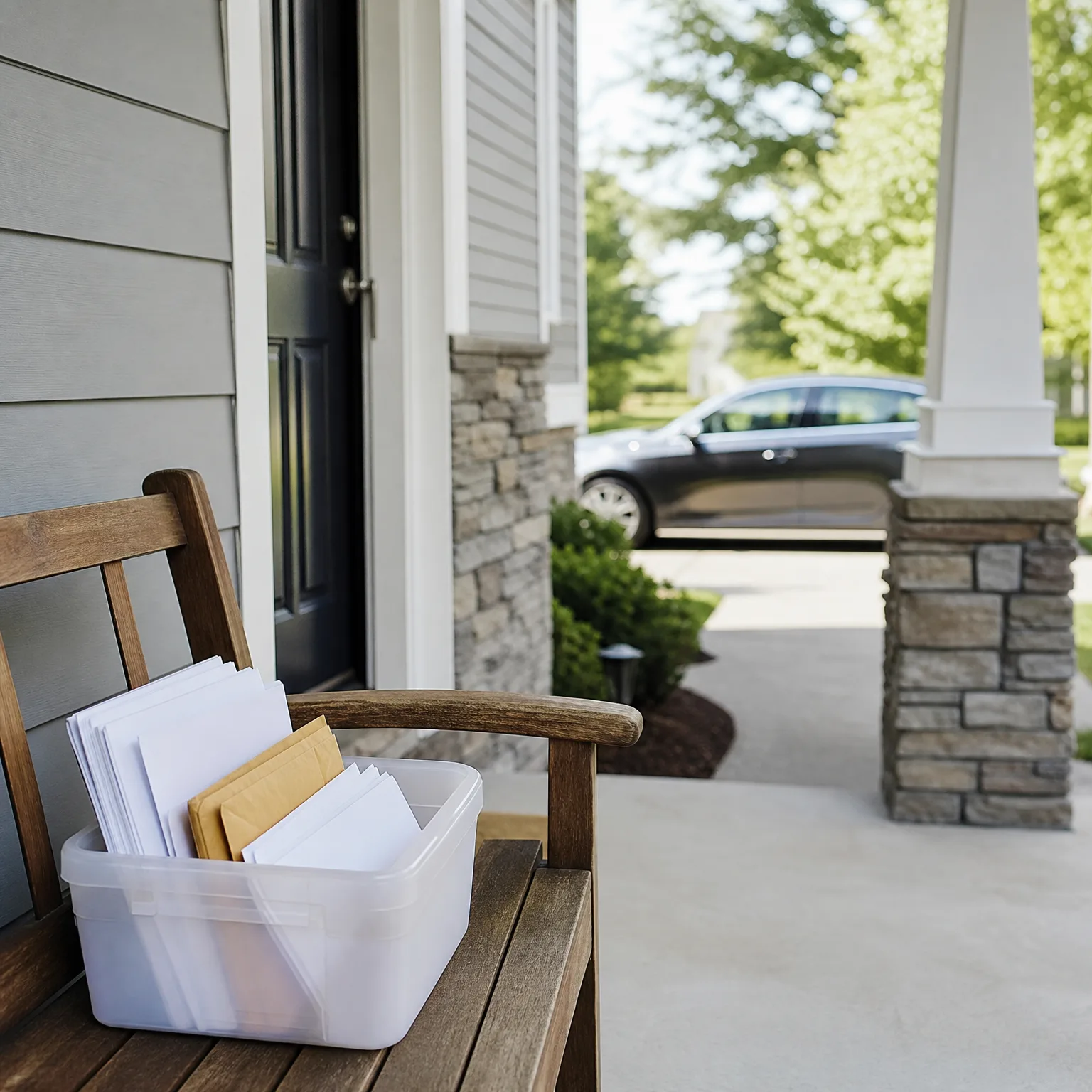
Your footing and your feet on the ground
A rider who can't get both feet flat on the ground when stopped is fighting the bike's balance from the moment they stop pedaling or braking. If the seat height doesn't let you plant your feet, that's worth addressing before anything else, either by adjusting the bike, lowering the suspension, or choosing a different motorcycle.
How you put your feet down matters too. Many tip overs happen because a rider puts a foot down on a slope, a pothole, or loose gravel and the ground isn't where they expected it to be. Before you stop, glance at the surface you're about to put a foot on.
Practice slow-speed maneuvers, like tight U-turns and figure eights, in an empty lot. Most riders who tip over at a stop are surprised by how little they've practiced going slow, even though they've ridden for years at speed.
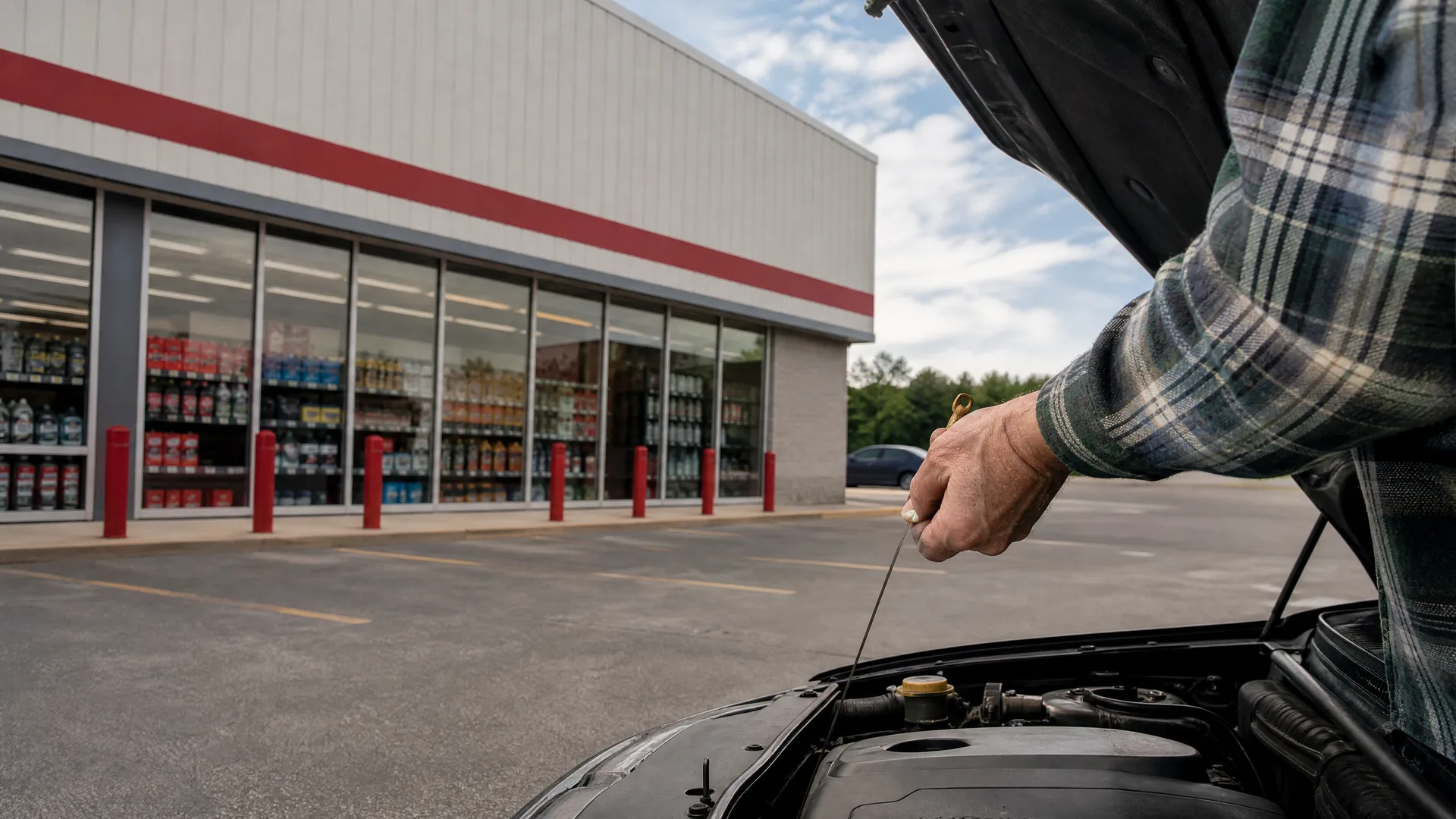
How smoothly you use the clutch and brakes
A jerky release of the clutch or a sudden grab of the front brake at low speed throws the bike's weight around in a way that's hard to recover from. Smooth, gradual inputs keep the bike settled under you.
This gets harder when you're tired, distracted, or rushed, so a lot of tip overs happen at the end of a ride, pulling into a driveway or a parking space, rather than at the start. Slow down mentally as well as physically in those last few seconds before you stop.
Weight also plays a role. A bike loaded with saddlebags, a passenger, or gear sits differently than one that's empty, and the extra weight is less forgiving if you lose your balance. If you're carrying more than usual, give yourself more room and more time at every stop.
Questions people ask about this
What's the most common cause of a motorcycle tip over?
Losing balance at a stop or at walking speed is the most common cause, usually from a foot landing on uneven ground or an abrupt clutch or brake input. It's rarely about riding too fast.
Does a lower seat height prevent tip overs?
It helps, because a rider who can plant both feet solidly has much better control at a stop. If you're shopping for a bike, sitting on it and checking your footing is worth doing before anything else.
How do I pick up a motorcycle that's already tipped over?
Most riders are taught to back the bike up using their legs and the frame rather than lifting with their arms. If you're unsure how to do this safely for your bike's weight, ask the dealer or an experienced rider to show you in person.
Does dropping a motorcycle count as an accident for insurance?
Whether a low-speed drop counts as a claim, and whether it affects your rate, depends on your policy and your insurer. Ask your agent how they classify a tip over with no other vehicle involved before you decide whether to file one.
Will a tip over show up on my driving record?
That depends on the state and on whether it was reported to police or the DMV. If no other vehicle or injury was involved, many drops are never reported at all, but check with your state's motor vehicle agency if you're unsure what triggers a report.
If a drop has you rethinking your coverage, see what other policies would cost before you renew.
Before your next ride, sit on the bike in your driveway and check that both feet land flat and solid. Spend twenty minutes in an empty lot practicing slow turns and stops, since that's where most tip overs happen. If you've already dropped the bike, call your insurer and ask directly whether reporting it affects your rate before you file anything. And if the bike's size or weight has you unsure of your footing, ask a dealer or an experienced rider to watch you start, stop, and turn at low speed.