How Aging Affects Motorcycle Riding Skills
Aging changes reaction time, vision, and physical strength gradually, and a rider who adjusts for those changes can keep riding safely for years.
It affects riders differently, and slowly
Age affects riding skill mainly through three things: how fast you react, how well you see, especially at night or in low light, and how much strength and flexibility you have to handle the bike at low speed or in a sudden maneuver. None of these drop off at a set age. They change gradually, and at different rates for different people.
What matters for your riding isn't your age on paper. It's whether you still pass a vision test without trouble, whether you can hold the bike steady at a stop, and whether you notice yourself reacting slower than you used to. Those are things you can actually check, unlike a birthday.
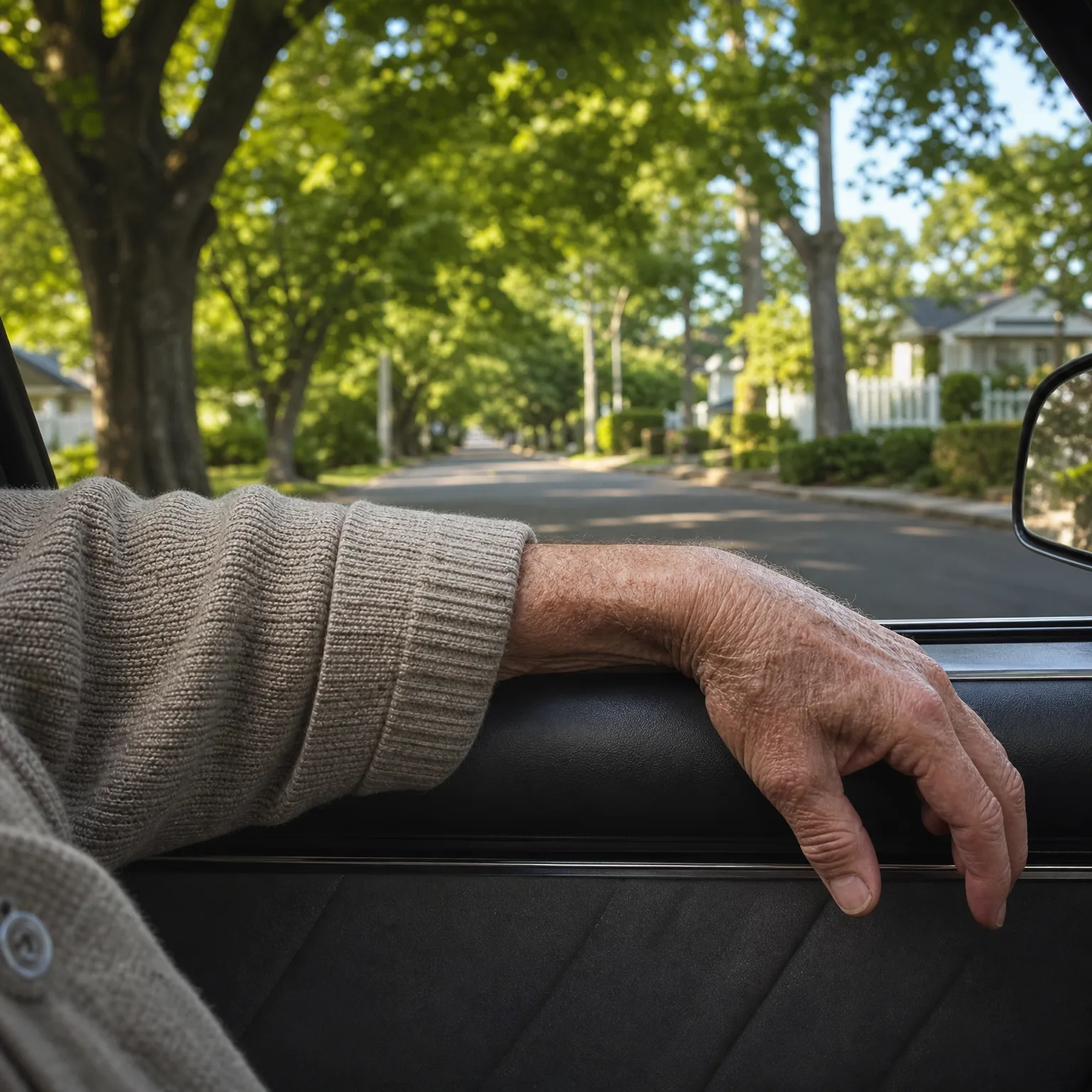
Vision and reaction time change first
Night vision and the ability to judge distance and closing speed tend to decline before most other riding-related skills do. A rider who used to be comfortable on a highway at dusk may notice glare from oncoming headlights is harder to deal with than it used to be, or that a car merging in front of them takes a half second longer to register.
Reaction time follows a similar path. It doesn't fall off a cliff. It slows a little at a time, which is part of why it's easy to miss in yourself. Riders who do well as they age are usually the ones who notice this early and adjust, riding less at night, leaving more following distance, slowing down earlier for turns.
A vision test at your next license renewal will tell you where you actually stand, not where you assume you are. If you wear corrective lenses, make sure your prescription is current. If riding at night feels different than it used to, that's worth paying attention to rather than dismissing.
Some states require more frequent vision tests or vision screening at renewal past a certain age. That's set by the state, so check with your state's DMV for what applies to you.
What most riders get wrong about it
The mistake isn't ignoring age. It's assuming a decline in one area means a decline in all of them. A rider can have slower reflexes and still be a safer rider overall than someone much younger, because they compensate with experience, better judgment about when to ride, and more consistent habits.
The other mistake is treating a motorcycle safety course as a one-time thing from decades ago. A refresher course, especially one built for returning or older riders, covers low-speed handling, emergency braking, and the physical adjustments that come with age. It's not remedial. It's the same kind of practice pilots and other skilled operators do throughout their careers.
Strength and flexibility matter more on a motorcycle than most riders think about until they feel the difference, particularly for handling the bike at a stop or walking it backward out of a parking spot. If that's gotten harder, a lighter bike or one with a lower seat height can solve the problem without requiring you to give up riding.
None of this is about whether you should keep riding. It's about knowing which specific thing to check and adjust so you can keep making that choice yourself, rather than having it decided by a close call you didn't see coming.
Questions people ask about this
Does my motorcycle insurance go up as I get older?
It depends on your insurer and your record more than your age alone. Some insurers adjust rates for older riders the same way they do for any other driver, based on claims history and the type of bike. Ask your insurer directly how they factor in age for motorcycle coverage, since this varies by company.
Should I take a motorcycle refresher course as an older rider?
Most riders benefit from one, regardless of age, since skills and reflexes change gradually and a course gives you a chance to practice emergency braking and low-speed handling in a controlled setting. Check whether your state or insurer offers any benefit for completing one, and ask what paperwork they need to apply it.
What motorcycle is easiest to ride as you get older?
A lighter bike with a lower seat height is generally easier to handle at low speed and at stops, which is where strength and balance matter most. Sit on a few in person and see how it feels to hold up and walk backward before deciding.
Will my doctor need to sign off on my motorcycle license renewal?
Some states require a medical or vision statement at renewal past a certain age, while others don't ask for anything beyond the standard vision test. This is set entirely by the state, so check with your state's DMV for the exact requirement.
How do I know if my riding skills have actually declined?
Pay attention to specific moments rather than a general feeling, like whether you're braking later than you used to, struggling at stops, or finding night riding harder. A refresher course with an instructor can also give you honest, specific feedback rather than your own guess.
See how riders in your situation are rated before you renew your policy.
Get your eyes checked if it's been a while, and bring the results with you when your license comes up for renewal. If you've noticed any change in your riding, whether that's night vision, reaction time, or handling the bike at a stop, look into a refresher course built for returning or older riders rather than assuming it's not for you. Ask your insurer directly whether completing one affects your premium and what proof they need. If a lighter bike or one with a lower seat would make low-speed handling easier, sit on a few before your next renewal rather than after a close call. None of this is about proving anything to anyone. It's about having real information instead of a guess.